Showing posts with label plant protection. Show all posts

Friday, January 18, 2008


Tänään kävin tekemässä töitä taimistollani, joka on hyvin merkittävä asia tässä vaiheessa tammikuuta. Normaalisti maa olisi jäässä useita senttejä ja lunta olisi n. 20 cm. Hyvin leuto sää on sulattanut maan käytännössä kokonaan, mikä mahdollisti tekemäni toimet. En mennyt siis istuttamaan arboretumalueelleni, vaikka sekin olisi ollut mahdollista sulan maan ansiosta.

Taimistolla huomasin peltomyyrien (Microtus agrestis) tehneen yllättäviä tuhoja, joita nähdään alemmassa kuvassa. Siinä on syötyjä katsuran (Cercidiphyllum japonicum) taimia. Myyrille käy näköjään hätävara, kun herkut on suojattu. Onneksi vain pieni osa kaikista katsuroista oli syöty. Niinpä suojasin loput heti Mota -karkotteella. Suojaus on tehonnut muilla taimilla hyvin, sillä mitään muita syöntijälkiä ei ollut näkyvissä edellisen käynnin jälkeen.

Pääasiallinen tehtäväni oli tällä kertaa kuitenkin isoimpien purkkitaimien irrottaminen maasta. Taimet olivat siis juurtuneet maahan ja halusin nyt helpottaa kevään istutusohjelmaa irrottamalla ensimmäisenä istutukseen meneviä taimia. Kaivoin lapion kanssa noin 50 tainta maasta ja melko vaivalloista se oli, koska maa oli monin paikoin erittäin märkää ja sitkeää savea. Ylemmässä kuvassa on irrotetut taimet uudestaan paikalleen laskettuina; lajit ovat japaninsiipipähkinä (Pterocarya rhoifolia), amurinkorkkipuu (Phellodendron amurense) ja tuomi (Prunus padus). Kuvan ulkopuolella tein saman myös valeakaasialle (Robinia pseudoacacia).

Irrottamisessa huomioitava seikka oli pätkiä liian suuria juuria lyhyemmiksi. Se kävi helposti lapion kanssa. Näin taimet saa istutettaessa myös helpommin pois purkeistaan. Tämä ajankohta oli senkin takia erinomainen työlle, koska kasvit ovat lepotilassa ja siten ne eivät ole niin alttiita stressille. Irrotettavia taimia jäi vielä jäljelle. Huomenna on erittäin kehno sää, mutta sunnuntaina voisi olla mahdollisuus jatkaa työtä, jos maa on vielä sula. Jäljellä olevien taimien irrottaminen voi tosin odottaa seuraavaan sulan maan tilanteeseen. Saapa nähdä, milloin se tapahtuu...


Today I went to do tasks at my nursery, which is a very significant matter at this phase of January. Normally the soil would be frozen several centimetres deep and there would be snow about 20 centimetres. The very mild weather has been melted the soil completely in practice, which made possible the tasks I did. So, I didn't went to do planting at my arboretum, allthough that also would have been possible thanks to the unfrozen soil.

At the nursery I noticed Field Voles (Microtus agrestis) to have done surprising damages, which are seen in the lower photo. There are eaten Katsura Tree (Cercidiphyllum japonicum) plants in there. It looks like a makeshift will do for Voles, as delicasies are being protected. Fortunately only a small part of all Katsura Trees were eaten. Therefore I immediately protected the rest of them with the Mota -repellent. The protection has been effective on the other plants, because there weren't any other eating marks to be seen since the previous visit.

However, my main task was this time to loosen the biggest container plants off the ground. So, the plants had been rooted into the ground and I wanted now to make the spring's planting program easier, as loosen the plants going to the planting the first. I digged about 50 plants off the ground with a shovel and it was rather troublesome, because the soil was on many spots very wet and tough clay. In the upper photo are the loosen plants as settled down again onto their places; the species are Japanese Wingnut (Pterocarya rhoifolia), Amur Corktree (Phellodendron amurense) and Bird Cherry (Prunus padus). Outside the photo I did the same to Black Locust (Robinia pseudoacacia) as well.

The matter to be counted for in the loosening was to cut too big roots shorter. That was made easily with the shovel. In this way the plants can be taken off the containers easier at the time of a planting. This space of time was excellent for the task also due to the fact, that the plants are in dormancy and therefore they're not so liable to a stress. There remained yet plants to be loosen. Tomorrow the weather will be very poor, but at sunday there would be a change to continue the task, if the soil is yet unfrozen. Though, the loosening of the remaining plants can wait for the next situation of an unfrozen soil. It remains to be seen, when that will happen...

Friday, December 28, 2007

Syksyinen talvityö taimistossa - An autumnal winter task at the nursery


Työväline siirappimaisen kasvinsuojelunesteen levittämiseen - A tool for the spreading out of a syruplike plant protection liquid.


Tänään kävin viimein tekemässä sen karkoteainekäsittelyn taimikasvatuspaikallani. Kuvissa (otettu tänään taimistolla) nähdään työhön käytetty väline ja aine. Alemmassa kuvassa on itse neste 5 litran astiassa. Tuo astia on ollut minulla jo pari vuotta ja ennen tätä käyttöä nestettä oli n. 1 / 3 jäljellä. Käytön jälkeen sitä jäi n. 1 / 5.
.
Kasveihin levitetyn nesteen tarkoitus on pahalla hajullaan karkoittaa kasveja syöviä eläimiä kasvien luota tai ainakin hillitä niiden ruokailuhaluja. Neste jää liimana paikalleen useaksi kuukaudeksi. Paras tarttuminen tapahtuu, kun pinta on kuiva. Ainetta levitetään oksille ja tällä paikalla etenkin kasvien tyville. Ainoa eläinuhka kasveilleni talvella ovat nimittäin tyviä syövät peltomyyrät (Microtus agrestis). Jänikset ja kanit on torjuttu teräsverkolla jo taimiston perustamisen aikana. Levittämisen tein helposti ylemmän kuvan 0,5 m mittaisella bambukepillä. Tämä neste on sen verran tahmean siirappimaista, että sitä voi valuttaa hyvin keppiä pitkin kasveihin (ensin keppi tietysti kastetaan astiassa).
.
Tärkeimmät käsiteltävät kasvit (myyrien suosimat) olivat kaikki pihlajat (Sorbus sp.), vaahterat (Acer sp.), omenat (Malus sp.), kirsikan suku (Prunus sp.) ja ussurinpäärynä (Pyrus ussuriensis). Suomenpihlajat (Sorbus hybrida) myyrät olivat ehtineet syödä, mutta niiden kuoleminen ei tässä vaiheessa suuresti haittaa. Valutin nestettä myös maahan sellaisiin kohtiin, joissa näkyi myyrien tekemiä kasoja.
.
Erittäin leudon sään olemus näkyi myös taimistossani, sillä maa oli täysin sula ja monet heinäkasvit ja ns. rikkakasvit olivat edelleen vihreitä ja jopa vähän kasvussa. Sula maa mahdollisti samalla taimipurkkien siirtoa; laitoin yksittäisiä purkkeja vähemmän kosteille kohdille (talvella märkyys on usein haitta). Täydensin myös muutamaan purkkiin vähän uutta multaa taimien tyvien suojaksi; talvenarkoja lajeja.
.
.
.
Today I finally went to do that repellent liquid treatment at my nursery. In the photos (taken today at the nursery) we see the tool and the stuff (Mota repellent liquid) used for the task. The liquid itself is in a 5 liter container in the lower photo. That container have been in my use already for couple of years and before this use there was about 1 / 3 left of the liquid. After the use there was left about 1 / 5 of it.
.
The purpose of the liquid spreaded out onto plants is to expel with its bad smell plant eating animals away from the plants or at least restrain their eating appetite. The liquid will remain in place as a glue for several months. The best grabbing will happen, as the surface is dry. The liquid is spreaded out onto the twigs and at this place especially onto the plant bases. The only animal threat in winter towards my plants are namely Field Voles (Microtus agrestis). Rabbits are being repelled with a steel net allready at the time of the nursery's establishing. I made the spreading out with the 0,5 metres long bamboo stick in the upper photo. This liquid is so much sticky and syruplike, that it can be drained down the stick easily onto the plants (at first of course the stick is being wetted in the container).
.
The most important treated plants (favoured by the voles) were all Mountain Ashes (Sorbus sp.), Maples (Acer sp.), Crab Apples (Malus sp.), the Cherry genus (Prunus sp.) and Chinese Pear (Pyrus ussuriensis). Voles had been had time to eat Oakleaf Mountain Ashes (Sorbus hybrida), but their death doesn't cause much harm at this phase. I drained the liquid also onto the ground on such spots, where there appeared piles made by the voles.
.
The appearance of the very mild weather showed at my nursery as well, because the ground was completely unfrozen and many hay plants and so called weeds were further green and even growing a bit. The unfrozen soil made possible at the same time moving of the plant containers; I placed single containers onto less wet places (during winter wet conditions are often harmfull). I also added a bit of new compost onto few containers to create shelter for plant bases; winter sensitive species.

Sunday, November 11, 2007


Tulviva taimisto - The flooding nursery


Eilen kävin tarkistamassa viimeisen kerran taimistoni tilanteita ennen pysyvää talvea, joka voi alkaa täällä etelärannikolla ehkä jo huomisesta lähtien. Kuvasin samalla yllä olevan kuvasarjan. Siinä nähdään viimeisenä lehtiä ja hedelmiä kantavia lajeja. Alimmassa kuvassa nähdään edellisenä päivänä alkaneen sateen vaikutus; taimipurkit uivat paikoin vedessä, mutta nyt sateiden tauottua vesi on imeytynyt maahan. Joka tapauksessa erittäin märkä maa jäätyy huomisesta lähtien kovaksi kuin betoni.

Tyhjensin taimistossa muutamia taimilaatikoita vanhasta mullasta ja otin laatikot talteen tulevia kylvöjä varten. Samalla siirsin muutamia taimia liian märistä olosuhteista kuivemmille kohdille. Jos talvi alkaa pysyvästi tästä lähtien, niin mm. aikaisemmin mainittu taimien siirto arboretumalueelle ei enää ole mahdollista tänä vuonna. Viimeisenä syystyönä ajattelen tehdä vielä lähiaikoina joidenkin taimien käsittelyä torjunta-aineella peltomyyriä (Microtus agrestis) vastaan. Sitten talven mittaan saatan käydä silloin tällöin tarkistamassa taimiston tilanteita ja silloin saatan ottaa lisää kuvia...


Yesterday I visited the last time my nursery to check out conditions before the permanent winter, which may start here by the southern coast perhaps allready from tomorrow onwards. I photographed at the same time the photo series above. We see in there the species bearing leaves and fruits the last. In the lowest photo we see the influence of the rain started the day before; the plant containers swimmed locally in the water, but now as the rains have a pause the water has absorbed into the ground. In any case the very wet soil will freeze hard as a concrete from tomorrow onwards.

I emptied some plant boxes from an old compost and I took the boxes in store for the coming sowings. At the same time I removed some plants away from too wet circumstances to drier spots. If the winter will start permanently from now on, then for example the earlier mentioned removing of plants to the arboretum area isn't possible anymore this year. Yet in the near future as the last autumn task I am thinking about doing a pestiside treatment to some plants against Field Voles (Microtus agrestis). Then during the winter I might visit the nursery from time to time to check out situations and then I might take more photos...

Thursday, September 27, 2007

Siemeniä ja arboretumasiaa Puun päivänä - Seeds and arboretum matters at The Day Of The Trees

Tänään vietetään Suomessa ns. Puun päivää. Sen kunniaksi päätin tilata Arboretum Mustilalta puiden siemeniä. Tuossa alla on lista tilatuista lajeista vain tieteellisinä niminä ja ilman linkkejä (linkitetty lista ilmestyy siementen saavuttua):

(Acer mandschuricum), (Acer triflorum), (Ailanthus altissima), (Cercidiphyllum magnificum), (Cladrastis kentukea), (Cornus florida), (Cornus kousa var. chinensis), (Fagus sylvatica), (Fraxinus nigra), (Platanus acerifolia), (Platanus occidentalis), (Quercus rubra) ja (Rhus typhina).

Kerron tässä samalla uusia kuulumisia arboretumprojektistani. Istutustyöt ovat olleet pysähtyneet koko vuoden motivaatio-ongelman ja muiden kiireiden vuoksi. Yksi syy motivaatiota heikentämässä on ollut taimistoni, kotini ja arboretumalueeni väleillä olevat etäisyydet; n. puolisen tuntia ajomatkaa kullakin välillä. Ne ovat toimineet jossain määrin psykologisina esteinä. Nyt helpotan asiaa siirtämällä taimistosta arboretumalueelle valmiiksi ensi kevään istutuksiin muutamia lajeja. Tällöin minun ei tarvitse kuluttaa aikaa ja vaivaa siirtoihin istutuspäivinä.

Arboretumalueellani on kuitenkin ollut jo syksystä 2005 asti astiataimia odottamassa istutusta, mutta hoidon puutteessa suurin osa niistä on kuollut ja viime vuonna osa niistä jopa varastettiin. Nyt siirrän kasvit ensinnäkin lähemmäksi aiottuja istutusalueita ja toisekseen enemmän piiloon varkailta. Samalla jotkut lajit on käsiteltävä hirvien (Alces alces) karkoteaineella. Ryhdyn siirtoihin ehkä jo sunnuntaina ja ehkä ehdin tehdä jonkin verran istuttamista vielä tänä syksynä... Tämän helpottavan idean myötä uskalsin tilata nuo siemenet lisävaivaksi. Viime kevään alussa tilaamiani siemeniä on myös jo odottamassa esikäsittelyjään. Kerron ensi viikolla lisää näistä puuhista...


Today there is a so called Day Of The Trees in Finland. To celebrate that, I decided to order tree seeds from Arboretum Mustila. Underneath there is a list of the ordered species only as scientific names and without links (the list with links will appear as the seeds have arrived):

(Acer mandschuricum), (Acer triflorum), (Ailanthus altissima), (Cercidiphyllum magnificum), (Cladrastis kentukea), (Cornus florida), (Cornus kousa var. chinensis), (Fagus sylvatica), (Fraxinus nigra), (Platanus acerifolia), (Platanus occidentalis), (Quercus rubra) and (Rhus typhina)

I tell here at the same time new things about my arboretum project. Planting tasks have been in standstill for the whole year due to a motivation problem and other hurries. A one reason to the weakened motivation has been distances between my home, my nursery and my arboretum; about half an hour's worth of driving between each distance. They have been acting as some kinds of psychological barriers. Now I'll make the matter easier by removing plants from the nursery to the arboretum area ready for the plantings of the next spring. Then I don't have to spend time and efforts to the removing tasks during the planting days.

However there have allready been container plants waiting for a planting since the autumn of 2005, but most of them have been killed due to a lack of care and some of them got even stolen last year. Now first of all I will move the plants closer to the aimed planting areas and secondly to hide them more from thieves. At the same time some species must be treated with a pesticide to prevent mooses (Alces alces). I will undertake the removing tasks perhaps in sunday allready and perhaps I will have time yet to make some plantings during this autumn... Due to this releafing idea I got the courage to order those seeds for them to be an extra burden. Seeds I ordered at the beginning of the last spring are also waiting for their pretreatments allready. I'll tell more about these tasks next week...

Monday, July 16, 2007


Engelmanninkuusi - Engelmann Spruce (Picea engelmannii).


Viime viikolla tiistaina 10.7. kävin katsomassa arboretumissani kasvien tilanteita ja kuvasin samalla tuon yllä olevan kuvasarjan. Tässä kerron nyt muutamia huomioita alueelta, joita näkyy kuvissakin.

Viimeaikaiset sateet ja 1 - 3 kuukautta sitten tekemäni lannoitus ovat vaikuttaneet selvästi, sillä monet kuvissakin näkyvät lajit kasvavat hyvin rehevästi. Viime vuoden kuivuudesta selvinneitä kasveja on yllättävän paljon normaalisti melko kuivillakin kasvupaikoilla. Kuivuustuhot ovat kuitenkin melko huomattavat; esim. kaikki katsurat (Cercidiphyllum japonicum) kuolivat alueella.

Kuivuus aiheutti laajan tuhon etenkin talvenarkojen lajien joukossa. Olin kuitenkin erittäin iloisesti yllättynyt, kun löysin pagodipuusta ja eteläntrumpettipuusta yhdet selvinneet kuvissa olevat taimet. Talvenarkoina pidetyistä euroopanvalkopyökistä, karvashikkorista ja valeakaasiasta olen myös mielissäni, koska kuvien tapaan ne voivat jo 3 - 5 vuotta erinomaisesti. Kuvassa taaimmaisena nähtävä valeakaasia on jo peräti n. 5m korkea.

Kuivuustuhojen lisäksi ongelmia kasveilleni ovat aiheuttaneet edelleen myös hirvet (Alces alces). Ne ovat syöneet erityisesti kaikkia pihlajalajeja, sirotuomipihlajaa ja pilvikirsikkaa. Onneksi syöntijäljet ovat keskittyneet vain muutamille kohdille ja muualla mainitutkin lajit ovat saaneet kasvaa rauhassa. Kuvissa olevat mainitut lajit ovat hieman epämuotoisia ja runsaasti uutta versoa muodostavia juuri hirvien takia. Tähän ongelmaan olen pohtimassa uutta ratkaisua.

Joissakin kuvissa näette runsaasti melko isoksikin kasvanutta luontaista puustoa ja vesakkoa. Niiden torjuntaan joudun lähivuosinakin käyttämään aikaa; käytän sekä kemiallista että mekaanista torjuntaa. Keltakoivu- ja saksanpihlajakuvissa näette kahta mekaanista tapaa; toisessa olen kaatanut metsämäntyjä (Pinus sylvestris) ja toisessa olen kaulannut metsäkuusien (Picea abies) rungot, jolloin ne ovat kuolleet pystyyn.

Kerron lisää arboretumini kasveista uusien kuvien kanssa todennäköisesti elokuussa tai viimeistään ruska-ajan alettua syksyllä... Tässä vaiheessa vielä muutama sana edellisen merkinnän ukkosista; ne jäivät itäisessä Suomessa ennustettua paljon heikommiksi, mutta kaakkoisessa Suomessa satoi silti runsaasti lauantain 14.7. aikana. Taimistolleni ja arboretumalueelle sateista ulottui vain pieni osa. Jatkossa sää jatkuu lämpötiloitaan melko normaalina (huomenna on viikon lämpimin päivä; n. +25 astetta) Etelä-Suomessa ja kuurottaisia sateita tulee entiseen malliin ajoittain.


Last week at tuesday the 10th of July i visited my arboretum area to check out situations of my plants and i photographed at the same time that photo series above. I tell you now here some observations made in the area, which are showing in the pictures as well.

The rains of recent times and the fertilizing i made 1 to 3 months ago have been influencing clearly, because many species seen also in the photos are growing very profusely. There are surprisingly many plants gotten through from the last year's drought also in localitys normally rather dry. However the drought damages are rather significant; for example all Katsura trees (Cercidiphyllum japonicum) were killed at the area.

The drought caused a wide damage among especially plants not so hardy (in Finland). However i was very gladly surprised, as i found one sprouts of Japanese Pagodatree and Southern Catalpa / Indian Beantree seen in the photos. I am glad also about European Hornbeam, Bitternut Hickory and Black Locust considered as not so hardy, because in the way seen in the photos they are thriving exceptionally for the 3 - 5 years in the row. The backmost Black Locust seen in the picture is even about 5 meters tall allready.

In addition to drought damages mooses (Alces alces) as well have been causing further harm to my plants. They have been eaten especially all Mountain Ash species, Allegheny Serviceberries and Fire Cherries. Fortunately eating marks have been centered only on few spots and elsewhere also the mentioned species have been had a chance to grow peacefully. The mentioned species seen in the photos are formed a bit badly and are producing a lot of new sprouts just because of the mooses. I am considering a new solution to this problem.

In some pictures you see a lot of native trees and sprouts grown rather tall as well. I have to give time for the prevention of them in the following years as well; i'll use both a chemical prevention and mechanical prevention. In the Yellow Birch and Whitebeam pictures you see two methods of the mechanical prevention; on the other photo i have been cutting down Scots Pines (Pinus sylvestris) and on the other i have been carved the bark away around the trunks, so that Norway Spruces (Picea abies) in question have been killed standing.

I will tell more about the plants at my arboretum with photos propably in August or at the latest in the autumn as fall colours have started to appear... At this stage yet a bit about the thunderstorms of the previous post; they remained much weaker than forecasted in eastern Finland, but there rained a lot though in southeastern Finland during saturday the 14th of July. There reached only a small portion of the precipitation into my nursery and arboretum area. In following days a rather normal weather will continue temperature wise (tomorrow will be the warmest day of the week; about +25 C) in southern Finland and there will be occasional showery rain in the way up to here.

Thursday, June 28, 2007

Taimistossa tapahtuu - Happenings at the nursery


Tällä viikolla 26. ja 27. päivinä tein taimikasvatuspaikallani kitkemistöitä ja koulin kuvassa nähtävät katsurat (Cercidiphyllum japonicum) taimilaatikosta noihin purkkeihin. Kuva on otettu eilen tihkusateessa. Katsurat (reilu 30 kpl.) olivat jo kolmatta kasvukautta ko. laatikossa ja viimeistään nyt ne täytyi siirtää omiin purkkeihinsa. Muutama muukin laji on samassa tilanteessa, mutta ne sietävät näillä näkymin paljon paremmin ahtaassa kasvamista.

Kitkemisessä tarkoituksenani oli ottaa esille pienimmät taimet, jotta ne eivät tuhkahtuisi. Jätin jäljelle kuitenkin runsaasti kasvillisuutta varjostamaan purkkeja, koska näin kosteus saadaan säilymään jatkuvassa kuivumisvaarassa olevissa purkeissa ja kastelun tarve vähenee. Etenkin hellejaksoina on tärkeää, että aurinko ei pääse paistamaan suoraan purkkeihin.

Viime viikolla sisätiloista siirtämäni taimet voivat hyvin lukuun ottamatta lievää auringon polttovioitusta, mikä on tyypillistä kasvien oltua pitkään sisällä. Paras metodi olisi totuttaa kasvit vähitellen ulkoilmaan pitämällä niitä vuoroin sisällä ja vuoroin ulkona, mutta resurssien vähyyden takia se on kohdallani mahdotonta. Tyytyminen oli siis totuttaa ko. kasvit ulkoilmaan toisten kasvien varjossa. Oleellista on joka tapauksessa se, että sisältä tuodut kasvit saavat aluksi mahdollisimman vähän suoraa auringon paistetta; sisällä kasvien lehtiin ei ole kehittynyt riittävästi lehtivihreää ulkotilanteen voimakasta auringon säteilyä varten ja ulkona kosteusolosuhteetkin vaihtelevat sisätiloja voimakkaammin. Hyvä siirtoajankohta on siten esim. pilvinen sadejakso.

Parin viime päivän aikana Etelä-Suomessa on tullut melko runsaasti sadetta. Esim. eilen taimikasvatuspaikallani satoi 16mm alle vuorokaudessa. Ukkosta ei kohdalleni ole kuitenkaan sattunut. Lämpötilat ovat olleet päivisin matalia (n. +15 astetta) runsaan pilvisyyden ja ilmamassan viileyden takia, mutta nyt viikonloppuna sää poutaantuu ja ilmamassa lämpenee. Ensi viikon alussa päivälämpötilat saavuttavat tuoreimman ennusteen mukaan jo +25 asteen. Öisin lämpötilat ovat olleet tuulen ja pilvien takia pääasiassa koko ajan vähän yli +10 astetta. Alkavalla viikolla yöt lämpenevät vähän. Kasvien kannalta hyvät olosuhteet siis jatkuvat, kun tämän kosteuden päälle tulee hyvin lämmintä. Nyt kasvukauden etumatka tavanomaiseen on vähän kaventunut, mutta se on edelleen vähän yli viikon.


During this week at the 26th and 27th days at my nursery i did weeding tasks and i put Katsura trees (Cercidiphyllum japonicum) seen in the photo into those containers from a plant box. The photo is taken yesterday in drizzle. Katsura trees (good 30 pieces) were allready for the third growing season in the box in question and at the latest now they had to be removed into their own containers. Couple of other species are in the same situation, but for now they tolerate much better growing in a thight condition.

In the weeding i was aiming to expose the smallest plants, so that they wouldn't be suffocated. However i left plenty of vegetation to shadow containers, because in this way moisture is being preserved in the containers that are constantly in danger of being dried up and in this way the need of watering is being decreased. Especially during hot weather periods it's important, that the sun doesn't shine directly on the containers.

The plants i removed last week from indoors are thriving well not counted for minor burns made by the sun, which is typical as the plants have been a long period of time indoors. The best method would be training the plants cradually into outdoor conditions as keeping them back and forth indoors and outdoors, but according to the lack of resources it's impossible at my case. So i had to settle for training the plants in question in the shadows of other plants. In any case cruicial is the fact, that the plants brought indoors will get at first as little as possible direct sunlight; indoors there haven't been produced enough chlorophyl into the leaves of the plants for the outdoor conditions of heavy sun radiation and also humidity conditions vary more strongly outdoors than indoors. Therefore a good removing time would be for example a cloudy and rainy weather period.

During last couple of days there have rained rather profusely in southern Finland. For example yesterday at my nursery there rained 16 millimetres in less than one day. However there haven't been thunder appearing where i have been. Temperatures have been low at daytimes (about +15 C) due to a dense cloudyness and coolness of the air mass, but now at the weekend rain will stop and the air mass will warm up. At the beginning of the next week the daytime temperatures will reach allready +25 C according to the latest forecast. At nights temperatures have been mostly all the time a bit more than +10 C due to clouds and the wind. During the coming week nights will warm up a bit. So considering the plants good circumstances will continue, as on the top of this moisture there will be very warm. Now the advance of the growing season compared to the average has been decreased a little, but it's further a bit more than one week.

Sunday, April 01, 2007


Kartiomarjakuusi - Anglo-jap Yew (Taxus x media).


Tässä on lyhyt kuvallinen raportti viime torstain käynnistä arboretumalueelleni Sipoossa. Tein silloin kevätlannoitusta ja noin 1 / 3 vuosien mittaan istuttamistani kasveista sai lannoituksen. Sopiva annos per kasvi oli yksi kourallinen ja isoimmille kasveille kaksikin. Lannoitus oli siis pistemäistä ja lannoite pitää sirotella kasvin ympärille eikä sen tyvelle; toimiva juuristo on puiden tapauksessa yleensä noin latvuksen ulkoreunan tasalla puun tyvestä ulospäin.

En ehtinyt koluta koko aluetta läpi, mutta tuossa yllä on muutamia kuvia hyvävointisista yksilöistä, jotka osuivat lannoitetulla alueella vastaani. Ensivaikutelma talvituhoista tuntui lupaavalta, sillä hirvet (Alces alces) eivät olleet syöneet kasvejani talven aikana juuri ollenkaan. Syksyllä tekemäni torjunta-ainekäsittely tehosi, mutta osa alueesta on siis vielä tarkistamatta. Lisäksi olen luottavaisella mielellä siitä, että pakkasvaurioita on tullut vain vähän. Joitakin arkoja yksilöitä on voinut kuolla, mutta siitä myöhemmin lisää...

Tässä samalla mainitsen, että tuon blogitrilogian kuvien päivittäminen Flickr -sivuilleni on jatkossa valitettavasti melko hidasta ja ko. blogien päivittäminenkin viivästyy. Syynä tietokoneongelmat. Alkavalla viikolla ilmestyy silti ainakin parin kuukauden sarjat... Että näin! On se välillä vähän turhan hankalaa olla niin innostunut taiteilijasielu, kun käytännön asiat tulevat hyvien ideoiden tielle vähän turhan usein... Turhauttavaa ja ärsyttävää!


In here is a short report with photos of the visit to my arboretum area in Sipoo (near Helsinki) last thursday. I did spring fertilizing then and about one third of the plants i have been planting over the years got the fertilizer. A suitable amount per plant was a handfull or even two in the question of the biggest plants. So the fertilizing was spotty and the fertilizer must be shattered around the plant and not to the base of it; in the question of trees the acting roots are usually about at the place of the inner reaches of the tree's crown from the base outwards.

I didn't have the time to wander around the whole place, but above there are few pictures of the well thriving plants, which i met in my way around the fertilized area. The first impression of the winter's damages was promising, as mooses (
Alces alces) haven't been eating my plants allmost at all during the winter. The pesticide treatment that i did last autumn was effective, but a part of the area is yet to be checked out as i mentioned. In addition i am in a faithfull mood about the fact, that there have been appearing just minor amounts of frost damages. Some not so hardy specimens might have been killed, but more about that later on...

At the same time i mention here, that the blog trilogy's photo updating onto my Flickr pages will be unfortunately rather slow in the future and the updating of the blogs in question will be delaying as well. The reason being problems with the computer. During the beginning week there will be appearing at least sets of couple of months though... So! It's sometimes a little bit too complicated to be such an enthusiastic arty soul, as practical matters are becoming in the way of good ideas a little bit too often... Frustrating and irritating!

Tuesday, February 06, 2007

Talven viilto kasvihuoneilmiöön - Cut of winter into the greenhouse effect

Viimeistään tänään on suojattava talvenarat kasvit, jos sellainen on jäänyt tekemättä lumettomana aikana. Nyt alkaa nimittäin jopa ennätyksiä lähenevä pakkasaalto (viimeisimmät sääennusteet ovat jopa tuon linkin lukemia kylmemmät)! Lämpötilat laskevat Etelä-Suomessa tulevan tiistain - torstain välillä öisin jopa selvästi -30 asteen kylmemmälle puolelle ja etelärannikollakin Helsinki mukaan lukien paikoin -30 asteen tienoille.

Arkojen kasvien juuriston päälle voi kasata lunta kymmeniä senttejä, joka on tässä vaiheessa lähes ainoa kunnollinen tapa suojata kasveja. Valitettavasti tämän hetkinen jäätynyt suojalumi on siihen tarkoitukseen melko huonoa. Ilmava vastasatanut pakkaslumi olisi paljon parempaa. Tämän takia jätän nyt suojaamatta taimikasvatuspaikkani kasvit, mutta nyt tulee testattua eri lajien pakkasen kestävyyttä. Kiinnostavaa... Kevään aikana raportoin sitten tuhoista sekä ko. paikalla että arboretumissani Sipoossa.

Lisäksi on todettava, että monet kasvit ylipäätään ovat nyt vaaravyöhykkeessä eteläisessä Suomessa, koska joulu- ja tammikuun ennätyslämpimyys herätti joitakin lajeja kevääseen jossain määrin. Tulevien tuhojen määrästä ja laajudesta ei voi vielä tehdä mitään arvioita, koska tämä tilanne on sen verran ennenkokematon.

Niin, kasvihuoneilmiön voimistumisesta huolimatta minua ei yllätä ollenkaan tällaiset kylmät jaksot. Asiaan voi kuulua juuri sellainen, että pitenevien lämpimien jaksojen välissä voi olla lyhyitä toisen ääripään sääjaksoja. Tavanomaiset säät vähenevät ja ääripäät yleistyvät; yhä enemmän lämmintä ja yhä vähemmän kylmää, mutta lämmin on todella lämmintä ja kylmä todella kylmää... Näinkö olisi käymässä...?


At the latest today one must protect winter sensitive plants (in Finland), if that have been remained undone during the snowless period. Namely now starts even near record breaking frosty period! Temperatures will drop in southern Finland between coming tuesday - thursday during nights even clearly colder than -30 C and also by the southern coast including Helsinki around -30 C locally (these readings are usually rather rare in southern Finland, but they happen every winter many times in Lapland).

On the root areas of winter sensitive plants one can spread several centimetres of snow, which is almost the only proper way to protect plants at this stage. Unfortunately the frozen melted snow of this moment is rather bad for that purpose. Airy freshly fallen frosty snow would be much better. Due to this i leave plants unprotected in my nursery place, but now the frost tolerance of different species will be tested. Interesting... I will report damages then during spring both in this place and in my arboretum in Sipoo (a town rather near Helsinki).

In addition it must be noted, that many plants in general are now in danger zone in southern Finland, because the record breaking warmth during december and january woke some plants into spring in some degree. There cannot be done any estimates yet of the amount and vastness of coming damages, because this situation is never experienced before in such a way.

So, despite the strenghtening of the greenhouse effect i'm not surprised of these kinds of cold periods. The matter can include the fact, that among lengthening warm periods there can be short periods of the other extreme. Average weather situations will decrease and the extremes will increase; further more warm and less cold, but the warmth will be very warm and the cold very cold... Will this be happening...?

Saturday, December 16, 2006

Joulukuun ennätyksiä ja erikoisia töitä - Records and peculiar tasks of december


Eilen jatkuivat istutustyöt arboretumalueellani Sipoossa poikkeuksellisen lämpimän sään mahdollistamana. Ko. päivän yönä lämpötila kävi Etelä-Suomessa jopa +10 asteen tienoilla ja ensimmäistä kertaa historiassa saavutettiin +11 astetta joulukuussa! Tämä on myös ensimmäinen kerta historiassa, kun minkä tahansa kuukauden kaikkien aikojen lämpöennätys rikotaan kaksi kertaa samassa kuussa kahden viikon sisällä! Edellinen lämpöennätys tehtiin 6. joulukuuta. Ko. yönä oli ennätyslämmön lisäksi myrskyisä länsituuli ja paikoin myös ukkosti rankoissa sadekuuroissa.

Vielä ko. iltapäivänäkin oli +6 astetta lämmintä, vaikka sään kehitys kylmempään suuntaan oli alkanut. Ennusteiden mukaan viikonloppuna alkaa heikon pakkasen jakso, joka kuitenkin päättyisi seuraavan viikon puolivälissä hyvin leudon sään palatessa mahdollisesti pitkäksi ajaksi koko Suomeen. Voi siis olla, että Joulua vietetään täysin lumettomissa merkeissä, kun nyt alkavan pakkasjakson aikana ei ole suuria lumisateita tiedossa. Niinpä lumeton alue saattaa olla tänä Jouluna Suomen kaikkien aikojen suurin ulottuen jopa Lapin eteläosiin asti. Nähtäväksi jää, mutta sääennusteiden mukaan se vaikuttaa nyt hyvin todennäköiseltä...

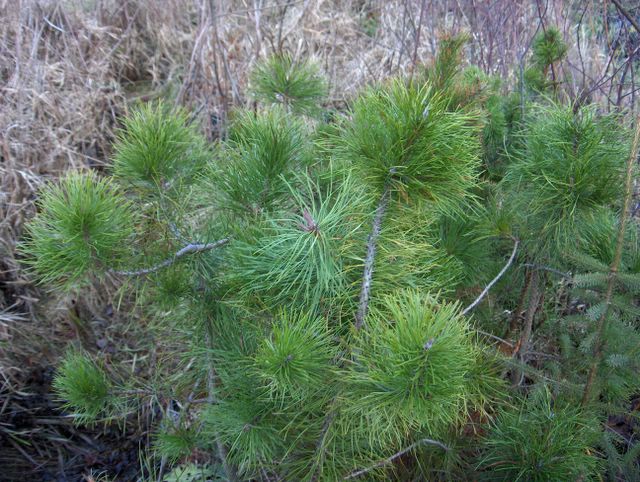
Kuvassa nähdään kontortamäntyjä (Pinus contorta) kuvattuna joulukuun 6. päivänä taimikasvatuspaikallani. Näitä taimia istutin eilen 10 kpl. arboretumiin. Maa oli kastunut siellä oikein hyvin syksyn ja tämän ennätyksellisen sääjakson runsaista sateista. Viime kesän ennätyskuivuus on muisto vain ja tämä tietää hyvää myös ensi vuotta ajatellen. Istutustyön lisäksi käsittelin joidenkin lajien oksia hirvien karkotusnesteellä nimeltään Mota. Käsittelin erityisesti lajeja koristeomenat (Malus sp.), pilvikirsikka (Prunus pennsylvanica) ja isotuomipihlaja (Amelanchier spicata). Hirvet olivat jo ehtineet syödä tämän syksyn aikana paria yksilöä.

Jos mainittu hyvin leudon sään palaaminen pitää paikkansa, niin saattaa vielä tarjoutua mahdollisuus arboretumin istutustöihin ennen vuoden loppua. Se riippuu siitä, että jaksaako nyt jäätyvä maa sulaa vielä uudestaan. Palaan sitten kertomaan tilanteesta...


Yesterday planting tasks continued in my arboretum area in Sipoo (a commun in the northeastern side of Helsinki) as the unusually warm weather made it possible. At that day's night the temperature was even around +10 C in southern Finland and for the first time in history +11 C was reached in december! This is also the first time in history, that the all time record of high temperature in any given month is reached for the second time during the same month in the two week period! The previous record of high temperature was made in 6th of december. During that night there was a stormy westerly wind and locally thunder with heavy showers besides the record breaking warmth.

Also in that afternoon it was yet +6 C, allthough a process of getting colder had been started. According to weather forecasts a period of weak frosts will be starting this weekend, which would end though in the middle of the next week as the very mild weather returns possibly for a long period of time in whole of Finland. It could be, that the Christmas will be completely snowless, as there aren't any big snowfalls coming during the frosty period starting now. So at this Christmas the snowless area could be the largest of all time in Finland reaching as far as even southern parts of Lapland (in northern Finland). It remains to be seen, but according to weather forecasts it seems to be very likely at this moment.

In the picture we see sprouts of Lodgepole Pines (
Pinus contorta) as pictured at 6th of december in my nursery. I planted yesterday 10 pieces of these sprouts in the arboretum. The ground there had been got wet very well due to heavy rains during this autumn and record breaking weather period. A record breaking drought of the last summer is only a memory and this means good things also considering next year. Besides the planting tasks i handled shoots of some species with a moose deportating liquid called Mota. I handled especially the species Crab Apples (Malus sp.) Fire Cherry (Prunus pennsylvanica) and Dwarf Serviceberry / Low Juneberry (Amelanchier spicata). The mooses had allready been had time to eat two species during this autumn.

If the return of the very mild weather holds true, so there will be chance again for the planting tasks in the arboretum before the end of the year. It depends of the fact, that is there capasity of the now freezing ground to melt again. I'll return then to tell about the situation...
Posted by Picasa